Catalog operations for marketplace sellers
Move marketplace catalogs into Shopify without losing control of the details.
Storeshift reads public storefronts or Shopify CSVs, normalizes messy product data, rewrites copy with guardrails, cleans image sets, and gives your team a reviewable export before anything touches Shopify.
Built for eBay, Etsy, existing Shopify catalogs, recurring sync, and developer workflows behind one pipeline architecture.
Catalog run preview
Source data becomes controlled Shopify output
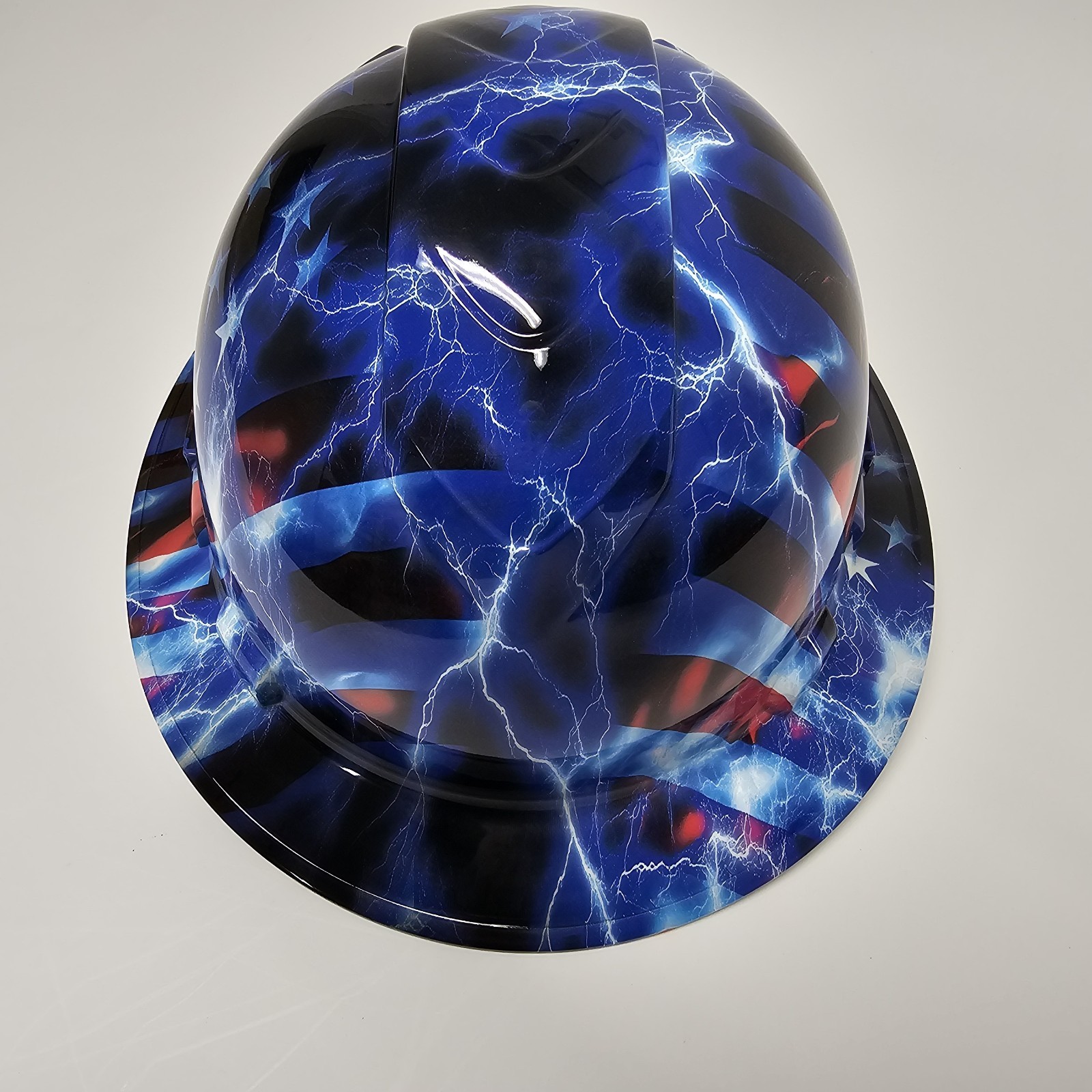
FULL BRIM VENTED HARD HAT CUSTOM HYDRO DIPPED IN AMERICAN THUNDER
Raw marketplace title and image context.

American Thunder - Vented Full Brim Custom Hydro Dipped Hard Hat
Reviewed copy, image candidates, CSV-ready rows, and warnings before export.
5-product preview before a paid run
Handles and SKUs stay controlled
Telemetry, API, webhooks, admin alerts
Product paths
Separate jobs, shared operating model.
Storeshift is organized around the way serious catalog teams actually work: import, improve, review, sync, and keep identity intact across every step.
Convert
eBay to Shopify
Read a public eBay storefront, normalize product data, clean image candidates, and export Shopify-ready rows after review.
Open pathConvert
Etsy to Shopify
Route public Etsy listings through the same conversion architecture so future marketplaces do not become one-off scripts.
Open pathRewrite
Improve Shopify catalog
Upload a Shopify CSV, preserve handles and SKUs, and improve only the fields you choose before importing updates.
Open pathSystem surface
Mature enough for messy catalogs, strict enough for production imports.
Identity-safe CSV handling
Handles, variant SKUs, lifecycle fields, image rows, and Google Shopping fields stay explicit so rewrite runs update products instead of duplicating them.
Image pipeline with review signals
Photos route through classification, cutout/lightbox candidates, QA scoring, customer picks, and R2-hosted URLs when cleanup is enabled.
One pipeline for convert, rewrite, and sync
The input-mode architecture keeps marketplace conversion, existing-catalog rewrite, scheduled runs, and sync matching on the same operational path.
Production controls, not demo glue
SSRF checks, prompt-injection wrapping, cost caps, Sentry, live status telemetry, webhooks, API keys, and admin observability are first-class.
Credibility layer
It should feel like a product team has already lived through the edge cases.
The difference between a clever demo and a serious catalog product is what happens around the AI call: validation, review, audit trails, sync decisions, and operator visibility. That is where Storeshift is intentionally overbuilt.
Source grounding
Prompt inputs carry source facts, provenance, and untrusted-field wrappers so rewrites stay tied to the original listing.
CSV guardrails
Uploaded rows are size-capped, formula prefixes are stripped, and rewrite mode preserves Shopify identity fields by default.
Review queue
Titles, bodies, images, policy warnings, and field diffs stay inspectable before export or import.
Sync matching
Multi-signal matching separates existing products from true deltas so recurring catalog updates do not become duplicates.
Developer surface
API keys, webhooks, OpenAPI docs, and CLI workflows let teams wire Storeshift into their own operating cadence.
Operator visibility
Status telemetry, Sentry alerts, load-test baselines, and admin dashboards keep failures visible instead of hidden in support inboxes.
Operator workflow
The review step is part of the product, not an afterthought.
- 01
Paste a public storefront URL or upload a Shopify CSV with existing handles.
- 02
Run the pipeline with source grounding, cost caps, image checks, and quality notes.
- 03
Review diffs, keep originals where needed, and export the final import file.
Start small
Prove the pipeline on a few products before the full catalog moves.
The free preview exists to validate source capture, copy quality, image handling, warnings, and CSV shape before a paid run.